From Fields to Faucets: How Eagle Nest Water Learned to Serve Towns
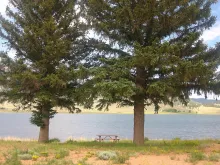
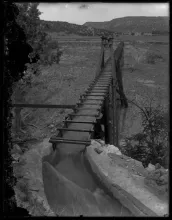
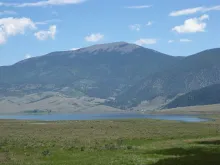
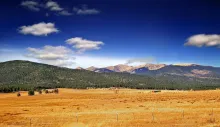
When work began on Eagle Nest Dam in 1916, the water behind it had one main job: irrigation. Rancher and entrepreneur Charles Springer, working with engineer Neal Solvangen, built the dam on the Cimarron River to capture surplus flows that otherwise rushed past the Moreno Valley in spring. To help finance the project, Springer sold water rights from the new reservoir to local farmers, and those original deeded rights became known as the vested rights. The lake that filled behind the dam, at about 8,300 feet in elevation, can hold almost 70,000 acre-feet of water.